From the Public Bar to the Private Screen: What We Gained and Lost When Betting Went Invisible
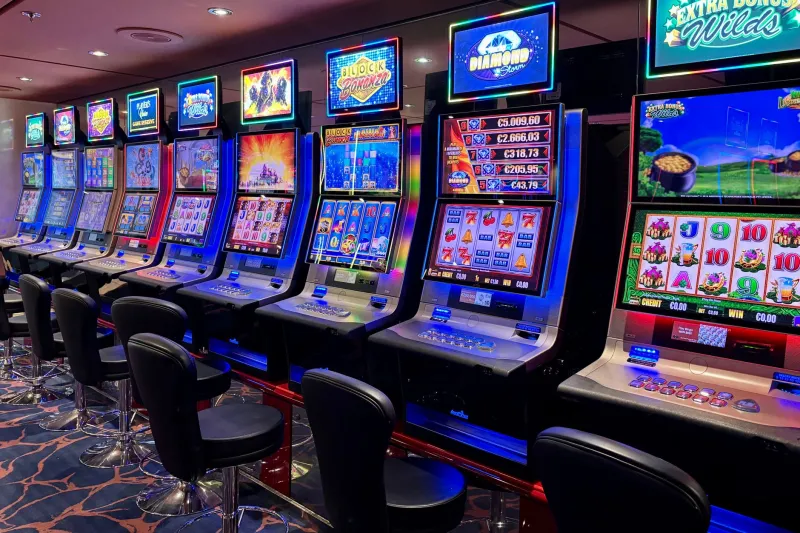
Think about the last time you saw someone lose money on the pokies at a pub. You probably didn't, really. But you saw them there. The regulars knew them. The bar staff knew them. There was a whole ecosystem of accidental accountability built into the room.
Now think about crypto casino play: alone, anonymous, on a screen, at any hour. Same punt, completely different culture. Here are five ways the shift has changed things — for better and worse.
1. Accountability Went From Social to Self-Imposed
At the pub, there's a natural ceiling on a bad session. The venue closes. Your mate says 'righto, that's us.' The barman cuts you off. None of these people are gambling counsellors, but they're friction, and friction slows things down.
Crypto casinos have no barman. There's no last train, no closing time, no mate at the door. The only brakes are the ones you build yourself — deposit limits, session timers, cash-out rituals. Some players find that freedom genuinely liberating. Others discover that friction was doing more work than they ever realised.
2. The 3am Session Became Possible — and Common
Pub pokies lived inside a social schedule. You played after work, on weekends, around a barbecue. Crypto play lives inside your phone, which means the worst possible gambling hours — bored, tired, alone, half-asleep — are now fully serviced.
The data on late-night decision-making isn't ambiguous: tired brains chase losses harder. The pub accidentally protected us from ourselves in ways worth remembering when we design our own limits.
3. Privacy Cut Both Ways
There's a real upside to anonymity that shouldn't be dismissed. Plenty of Aussies felt genuine discomfort being seen in a gaming room — the small-town stigma, the workmate walking past, the judgement. Crypto play removed that. For people who gambled modestly and privately anyway, that's a fair trade.
But privacy also removed the witnesses. A pub regular who's clearly having a rough trot might get a gentle word from someone. A crypto player on a bad run is just a username and a declining balance, visible to nobody.
4. The Money Became Abstract
Feeding a pokie machine with twenty-dollar notes is a physical act. You feel each note leave. Crypto deposits are a wallet confirmation — three seconds, no sensation, no coins, no notes, no nothing.
That abstraction is arguably the single biggest behavioural change. Pub gambling came with a built-in cash meter; crypto gambling replaced it with a number on a screen that's also somehow an investment asset. Players who never lost track of a night's spending at the pub routinely lose track of a week's crypto play.
5. The Venue Stopped Being the Community
Love it or loathe it, the pokies room was a social space — part of the pub's ecosystem alongside the meat raffle and the footy on the telly. Crypto casinos have no equivalent. Nobody knows you there. There's no regulars' table, no 'same time next week.'
What's filled the gap is online communities — forums, group chats, Discord servers where players compare sessions and keep each other honest. For some, that's a genuinely better form of accountability than a stranger at the bar. For most, there's simply nothing, and the gambling happens in total social silence.
Where That Leaves Us
Nobody's seriously arguing the pub model was perfect — it had its own problems, and they were plenty visible. But as betting has migrated to the private screen, the old environment's invisible guardrails have quietly gone with it.
The practical takeaway for Aussie crypto players isn't nostalgia; it's engineering. If the pub used to close at midnight, close your session at midnight. If a mate used to say 'that's us', put a hard stop in your limits. The old room did some of your risk management for free. On the blockchain, you're the venue, the barman and the regular — and it's worth building the place accordingly.